
For a lot of my life, I preferred to stay home, alone, and in my comfort zone. I followed all my routines exactly, and I just didn’t get out much. Over the past few years, though, I slowly started to embrace the joys of trying new things. And from that, my brain and I have changed forever.
How Saying “Yes” Changed My Life
Early on in my time at the University of Wisconsin, my (pretty brand new at the time) friends pushed me to join a club called YesUW. Originally inspired by YesTheory’s philosophy to “Seek Discomfort,” this club organized events where students could make memories having brand new experiences together. Through this club, I had the opportunity to try things as simple as making s’mores surrounded by strangers to things as crazy as jumping out of an airplane.
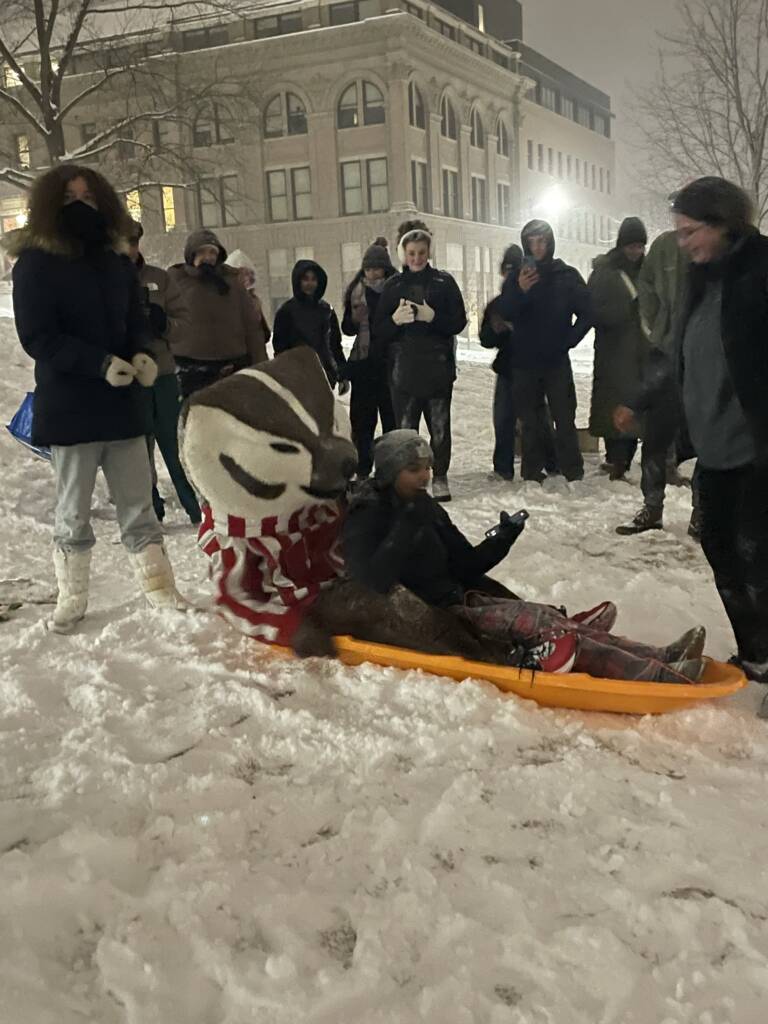
Whenever I planned to attend one of these events, I often overthought it beforehand. I debated with myself whether I actually wanted to go through with it, always tempted by how much easier it would be to stay home. I fought with myself about how going sledding at 8PM on a Wednesday when I still had homework to do and an 8AM class the next day was a terrible idea. Despite this struggle, whenever I did put myself out there and “say yes,” as the club promotes, I always ended up feeling so much better after. That night sledding? I went home freezing cold and soaked from the snow, only thinking about how I wouldn’t trade that experience for anything.
The Brain Health Benefits of Trying New Things
Recently, while reflecting on all the experiences I’ve had, I got curious about why saying yes felt so impactful. I knew I felt more confident, energized, and present after trying new things, but I wanted to understand what was actually happening in my brain. And it turns out there’s real science behind that post-adventure feeling.
When you try something unfamiliar, your brain has to work harder. It can’t run on autopilot the way it does during routines. Instead, it starts building new connections, processing new information, and adapting in real time. Over time, that effort adds up in some pretty powerful ways. This applies just as much to physical skills as it does to mental ones, as learning a new movement, sport, or training style challenges your brain in the same way learning anything new does.
Trying new things promotes neuroplasticity and builds cognitive reserve.
Neuroplasticity is your brain’s ability to change and adapt by forming new neural pathways. Every time you learn a new skill, visit a new place, or put yourself in an unfamiliar situation, your brain is essentially rewiring itself. This keeps your mind flexible and adaptable. It helps build what’s called cognitive reserve—your brain’s ability to improvise and problem-solve as you age. In other words, novelty helps keep your brain resilient.
New challenges strengthen your memory.
When something is new, your brain pays closer attention. Novel experiences activate the hippocampus, the part of your brain responsible for learning and memory. That’s why you probably remember your first time skiing or the details of a spontaneous trip way more clearly than an average Tuesday. New experiences give your brain something worth holding onto.
Experiencing new things enhances creativity.
Creativity thrives on new inputs. Exposing yourself to different environments, skills, and people helps your brain make connections it wouldn’t otherwise make. Even experiences that seem unrelated—like learning a new sport or attending a class outside your comfort zone—can influence how you think, solve problems, and express yourself in totally unexpected ways.
Try New Things in the New Year
Over time, the more things I tried, the more ready I felt to keep trying in the future. Since those early days in the club, I’ve become much more comfortable with discomfort. Now, I’ve filled my life with exciting experiences and memories I’ll look back on forever.
On New Year’s Day of 2026, looking back on 2025, it wasn’t just another year for me. Sure, it was the year I graduated college—an incredible experience in itself—but it was also the year I went skydiving. It was the year I ran my first 5k. I traveled through Europe. I finally felt decent at skiing. I did a 24-mile biking bar crawl around a giant lake. Overall, it was another year of amazing memories I never would have had without learning how to be a beginner again and letting myself out of my comfort zone.


At Summit, we believe that growth happens when you’re willing to show up, try something new, and embrace being a beginner, both physically and mentally. So this year, 2026, I encourage anyone reading this to try something new. Pick up that hobby you always wanted to try. Attend a fitness class for a sport you never thought you’d do. Go to a concert for a band you’ve never heard of. Plan a trip somewhere you’ve never been. Learn to say yes to discomfort, and every year will be one to remember.
—
In the meantime, feel free check out some of our related posts for more New Year’s inspiration, fitness & wellbeing advice, and healthy habits to try!
- New year, New you? or Evolving Toward a New Self! by Tess Kachiroubas
- Summit: A Safe Space to Fail, Learn, Thrive, and Train Better or Power of Self Love; use it. by Erica Rowoldt
- Summit Improved My Life: Confession of a Desk Jockey by Kevin Klepeis
- Movement: Strong Medicine for the Mind, Body, & Soul by Keith Kubiesa
- Non-exercise Health Habits That Make A Big Impact by Courtney Wetzel