

Fiber is making its way into the nutrition spotlight this year, thanks to its myriad benefits for overall health. Americans under-consume fiber by roughly half of the recommended daily intake. We could reduce certain cancer risks and significantly improve blood glucose and lipid markers, digestive function and even mental health by addressing that shortfall. Despite all the science emerging on behalf of fiber, there isn’t much regarding benefits with fiber for athletes specifically. Or how to leverage it for better performance and recovery.
Is Fiber for Athletes Fuel or Anti-Fuel? Understanding Its Unique Role
We’ve likely created confusion by focusing on what fuels strength, power, and endurance and supports glycogen replenishment. This is an area where most carbohydrates shine. But fiber doesn’t act like other carbohydrates. The body can’t use it for quick energy like glucose or store it in the liver and muscles as glycogen. Instead, it slows the digestion of starches and sugars, making it a literal anti-fuel.
A common practice among recreational and competitive athletes alike is to limit fiber in the meals and snacks prior to and immediately after a training session for this reason. Outdoor enthusiasts, endurance athletes, and those competing in combat or weight-based sports also apply this strategy by drastically limiting fiber intake for 1–3 days before a big race, competition, or hike.
Why Many Athletes Limit Fiber (And When It Makes Sense)
Reducing fiber in these instances has benefits beyond efficient fueling and glycogen replenishment. For athletes needing to make weight, such as boxers, limiting fiber can help to speed up digestion and allow for empty bowels on fight day. Endurance or outdoor athletes apply the same concept when they want to avoid a bathroom break during a long race or outing. People with GI conditions may also use this approach to avoid digestive upset during training or while competing.
So far it seems like fiber for athletes should be limited, right? If we can’t even digest it, why is it essential? To better understand fiber’s benefits, we can look at its properties.
The Two Types of Fiber: Soluble vs. Insoluble Explained

Plants contain two general categories of fiber: soluble (viscous) and insoluble (non-viscous). Insoluble fiber typically exists in the structural parts of plants. This includes the outer layers of grains, fruit skins, rigid vegetable fibers, and seed hulls. Insoluble fibers don’t break down in liquids. Soluble fibers come from within plant cell walls. Often found inside grains, and in the soft tissues of fruits, veggies, seeds and legumes. Their structure changes when exposed to water or digestive fluids and becomes a gel-like substance as it moves through the GI tract.
Most fiber-rich foods have both viscous and non-viscous types, though many foods are dominant in one or the other. Foods with a high percentage of insoluble fiber include wheat bran, whole wheat cereals and pasta, multi-grain breads, popcorn, flax seeds, lentils, chickpeas, apples with skin, raspberries and almonds.
Foods with a large majority of soluble fiber include brown rice, artichokes, brussel sprouts, blackberries, and oranges. Some foods contain a more even split of viscous and non-viscous fibers. These still provide a strong source of soluble fiber, including oatmeal, chia seeds, legumes, sweet potatoes, and peeled fruits.
Which Type of Fiber for Athletes is Better?
It’s important to consume both types of fiber because each one brings its own benefits. Insoluble fibers stay mostly intact throughout the digestive process, which adds bulk to stool. As they move through the system, they draw water into the intestines which helps to prevent constipation. Non-viscous fiber consumption is also correlated with a reduced risk of certain cancers, including colon cancer. This is presumably because the fibers scrape off debris from the intestinal lining, preventing conditions such as diverticulitis.
Like insoluble fiber, soluble fiber draws water into the GI tract. As it breaks down, it forms a gel that softens stool and improves motility. This process slows digestion in the small intestine, which enhances nutrient absorption. Because soluble fiber breaks down, the body can ferment it and use it to feed gut bacteria in the large intestine. Eating fiber from a variety of food sources nourishes a wider range of “good” bacteria and supports a more diverse microbiome. Because the gut closely connects to brain and hormone health, consuming adequate fiber each day supports mental well-being.
The Wide Variety Health Benefits of Fiber for Athletes Beyond Performance
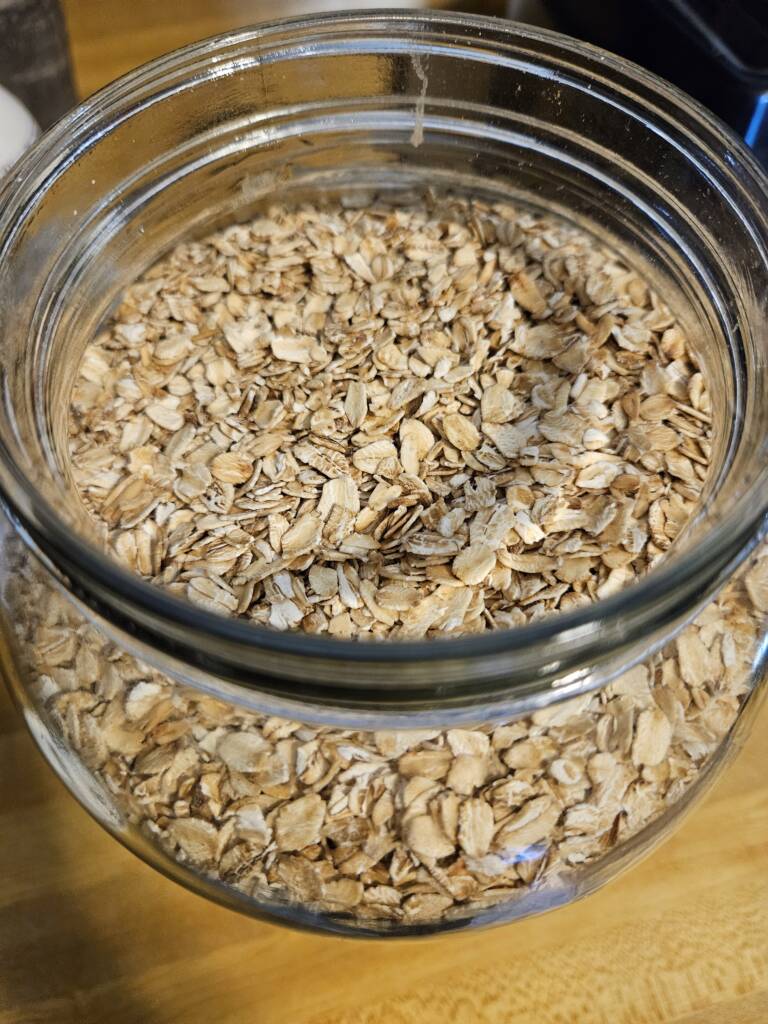
One specific type of viscous fiber, beta glucan, is found in oats, barley and some mushrooms and yeasts, and has a significant impact on blood sugar levels. Its gel-like qualities slow carbohydrate digestion, thus reducing blood glucose spikes and crashes. This can result in better insulin sensitivity and glucose metabolism. Beta glucan can lower LDL (aka “bad”) cholesterol by triggering a process that regulates cholesterol balance. There are even direct links to exercise recovery because this soluble fiber enhances anti-inflammatory responses and boosts the immune system.
Given the wide-ranging benefits of fiber, it’s clear that we need to prioritize it in our daily diets. But, how much should we eat in a day? At this point, there is no magical goal of fiber for athletes to meet. Daily recommended intake regardless of activity level is 21-38 grams for adults, depending on gender, age and/or caloric intake. Some people can tolerate higher than recommended amounts without GI distress.

Fiber for Athletes and Meal Timing: When to Eat It (and When to Avoid It)
How does fiber for athletes fit into a daily meal plan when pre-, peri- and post training meals and snacks are supposed to be low- or no-fiber? The concepts of “meal timing” and strategic carbohydrate selection are ones to consider.
Meal timing determines when you eat meals and snacks in relation to physical training or events. As a session approaches, you should reduce fiber in meals and snacks since it slows carbohydrate absorption and can cause GI issues for some people. When you have a longer window before a workout, you can include more fiber to delay glucose availability rather than deliver it immediately. The snack or meal immediately following exercise should have a moderate amount of fiber to allow for blood sugar to stabilize. The meals and snacks furthest away from training can be the highest in fiber.
Choosing the Right Carbohydrates: Practical Steps to Approach to Fiber for Athletes
Carbohydrate selection can occur once meal timing is determined. This requires at least a basic understanding of the fiber content in foods. In general, the closer a carb source is to its original form, the more fiber it will have. For example, eating an apple with skin has more fiber than a peeled apple, while drinking a glass of apple juice has almost no fiber. White rice has less fiber than brown, and white bread has less than whole grain bread. However, fiber becomes less predictable in packaged foods. There are many highly processed “low carb” products available with very high amounts of supplemental fiber.
It can be overwhelming to count grams of fiber for someone who doesn’t already track macronutrients or calories. A simple way to approach this is to make a list of the foods you eat most often and note fiber amounts for each food. As you plan meals and snacks for your next training day or event, choose carbs from your list based on anticipated meal timing.
When looking at packaged foods, refer to the nutrition label for fiber content and serving size. For foods without labels, like vegetables, fruits or bulk dried goods (grains, nuts, seeds), search for a reputable list online, like this one from Mayo Clinic. The more accurately you measure or weigh foods, the better your fiber estimates will be.
How to Increase Fiber Intake Safely as an Athlete
Whether you’re reducing your fiber strategically for an endurance event or outdoor adventure, or ramping it up to improve overall health, it’s best to change by only a few grams per day until you reach your intake goal. This will minimize any digestive problems like bloating or constipation that might arise with large changes in daily fiber consumption.

It’s also best to begin managing fiber with foods you already eat and tolerate well. Increase variety one food at a time to give awareness to any GI upset that new foods might cause. Packaged food requires special consideration for added fiber supplements. These may be well-tolerated by some people and highly inflammatory for others. For chronic or worsening GI issues, or medical conditions that may contraindicate a change in fiber intake, always consult your healthcare provider.
To summarize, fiber is amazing for overall health. Recreational and competitive athletes alike can leverage the anti-fuel properties of fiber to ensure adequate energy and recovery, and digestive comfort for training, competition or outdoor adventure. Meal-timing and carb selection strategies are important concepts when planning daily fiber intake around physical activity. While eating a variety of fiber sources is beneficial, it’s wise to slowly adjust intake and try new foods one at a time.
For a deeper dive into recent studies and other references regarding fiber, check out the PubMed articles and other resources that inspired this blog post:
Fibre: The Forgotten Carbohydrate in Sports Nutrition Recommendations
β-glucans and cholesterol (Review)
Carolann Nelson