

I’m proud to live in a time where society not only celebrates women in sports but also values and encourages us to be active and participate in sports. Women now break records across both competitive and non-competitive spaces.
However, that wasn’t always the case. For decades, society placed significant barriers in front of women, often excluding us entirely or discouraging participation with outdated beliefs about our physical capabilities. There was limited opportunities and minimal support. The progress we see today comes from the persistence, resilience, and courage of women who refused to accept those limitations.
The History of Women in Sports
In the 1800s, society barred women from physical activity. It reduced our role to reproduce and this dictated what we could and couldn’t do based on that belief. People expected women to devote all their energy to hormonal function and discouraged us from “wasting” energy on so-called pointless activities like riding a bike. Society labeled women as weak, especially during menstruation. This perception justified limiting our movement. As a result, women only engaged in physical activity to symbolize appearance or status, such as horseback riding.
As the 1900s approached, women gained access to education and began challenging these restrictions. We pushed boundaries and created organized opportunities for movement, forming tennis and croquet clubs. This momentum spilled into the women’s suffrage movement and led to the passage of the Nineteenth Amendment in 1920, granting women the right to vote. However, the Great Depression in the 1930s stalled this progress and pushed women back into traditional roles within the home.
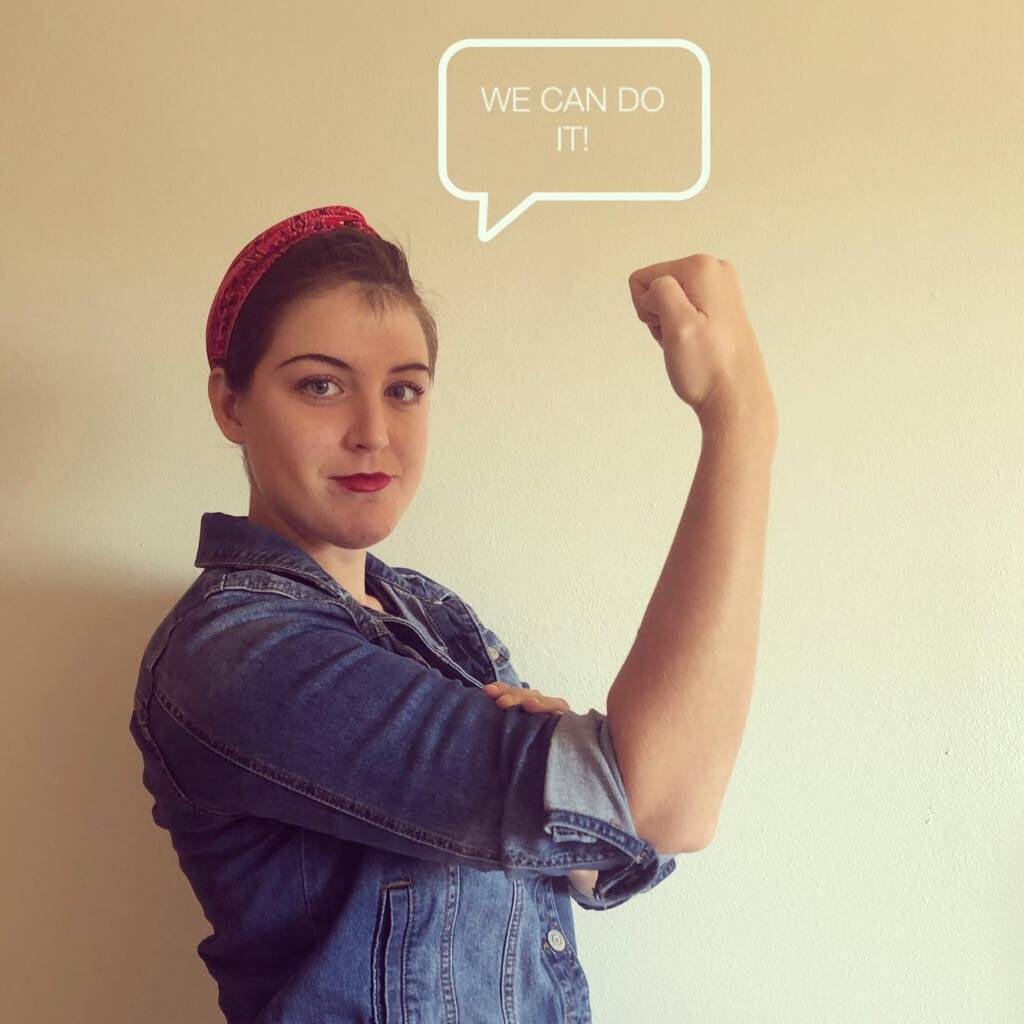
Who is Rosie the Riveter?
An icon that represents women’s equality specifically in the workforce. Rosie the Riveter was developed in World War II when many women had to leave their jobs as homemakers to fill a void in the work force. For many women, this marked the first time we experienced financial independence and a sense of identity outside the home.
Women proved not only to society, but to themselves, that they were fully capable of performing demanding, skilled work. This newfound confidence extended far beyond the war years.When the war ended, society expected women to return to domestic roles, but women had already begun to change that mindset. The experience ignited a broader awareness of inequality and helped fuel the momentum of feminist and equal rights movements.
Boston Marathon 1967
In 1967, Kathrine Switzer made history when she officially registered for and ran the Boston Marathon. This race, at the time, did not allow women to compete. To avoid scrutiny, she entered under the name “K.V. Switzer,” challenging the belief that women were too fragile for endurance events. Her participation quickly became controversial during the race when a race official attempted to physically remove her upon realizing she was a woman. In a now-iconic moment, Switzer’s boyfriend and fellow runners shielded her, allowing her to continue. Despite the disruption, she persevered and crossed the finish line in just over four hours.
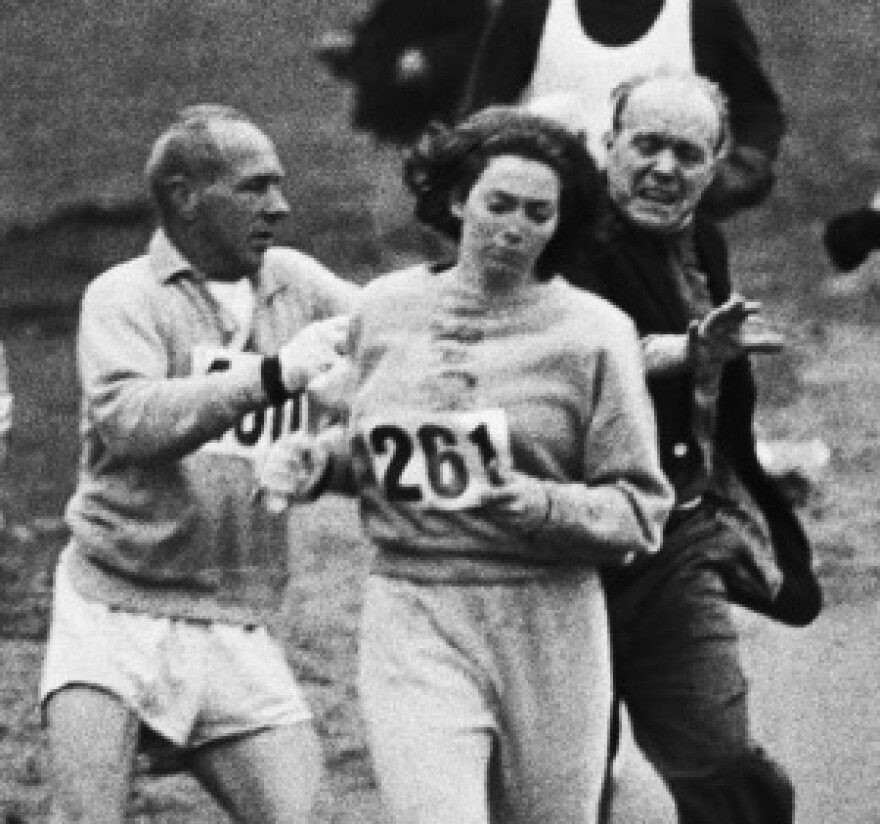
Switzer’s run was a turning point in sports history. The incident drew global attention and sparked conversations about gender equality in athletics. Thanks to Switzer’s courage, women were officially admitted into the Boston Marathon in 1972. This change contributes to the broader movement that eventually led to long-distance events being included in the Olympic Games for women.
How Title IX Affected Women in Sports
In 1972, Title IX passed as part of the Education Amendments of 1972, marking a pivotal moment in the fight for gender equality. This landmark law prohibits sex-based discrimination in any education program or activity receiving federal funding, including school athletics. As a result, schools and universities were required to provide equal opportunities for both men and women, ensuring fair access to resources such as equipment, coaching, facilities, and athletic scholarships.
In reality, this progress is relatively recent, less than 55 years ago. This law opened doors that had long been closed. With increased access, female participation in college sports grew by over 600% in the decades that followed. Beyond that, Title IX helped shift cultural perceptions about women in sports. It validated our presence and recognized our potential.
Fighting The Stereotype with Women in Sports
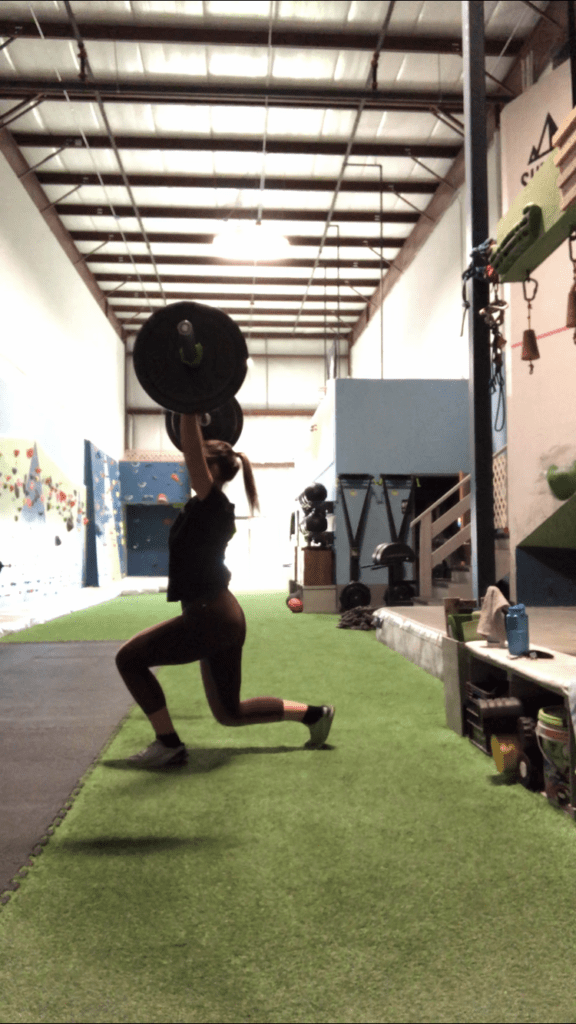
We have come to a point in society where female athletes are not only accepted, but truly idolized. With packed stadiums to global media coverage, women in sports are finally receiving the recognition they have long deserved. As a woman in the sports industry, I am incredibly grateful for the strong, determined trailblazers who pushed boundaries, challenged norms, and refused to be sidelined. Their courage created opportunities that many of us now benefit from every day.
However, there is still an underlying stereotype that reminds us there is more work to be done. Phrases like “you throw like a girl” continue to be used as insults, reinforcing the outdated idea that women are somehow inferior in athletic ability. While progress has been significant, moments like these highlight how deeply ingrained biases can persist beneath the surface. Changing laws and increasing representation is one step, but shifting language, mindset, and cultural attitudes is an ongoing process.
Women in Sports Currently
Women in sports today are actively reshaping those narratives in powerful ways. At the Winter Olympics, USA Figure Skater Amber Glenn openly discussed competing while on her period. In past generations, This would have previously been considered unacceptable. Her transparency helps normalize conversations around women’s health in athletics. Similarly, Kathrine Switzer returned to the Boston Marathon in 2017 at the age of 70, proving that strength, endurance, and passion for sport have no age limit. Athletes like Ilona Maher are also redefining what it means to be a female athlete. Embracing both power and femininity while unapologetically showing up as their full selves.
Together, these moments and figures reflect a broader shift. Women are no longer confined to small minded definitions of what they should be in sports. We are expanding and changing those definitions entirely. While there is still progress to be made, the trajectory is clear: female athletes are not just participating in sports, we are leading, influencing, and continuing to change the game for generations to come.
Sunday, March 29th, Summit Strength and Fitness is participating in this recognition of women’s strength by teaming up with Madison Women’s Climbers (MWC). You don’t need to be a part of MWC to participate. It is a FREE social climb inclusive to all women, non-binary, trans and femme+ individuals. Sign up now!