

As much as I would like to count binging true crime on the couch as recovery after a hard training session, unfortunately, your body may be asking for more. As I get older, I realize the importance of using various recovery techniques to help my body feel and perform its best. Recovery isn’t just about taking a day off. It is about giving your body the tools it needs to repair, adapt, and prepare for whatever comes next.
And sometimes, yes, that means sitting on the couch and watching an unreasonable amount of true crime. But recovery can (and probably should) look like a little more than that.
As a disclaimer, unfortunately there is not a lot of research and specific data behind various recovery techniques. I will talk about very standard and widely used recovery techniques that have shown to be of benefit. But just like exercise and training programs, it’s not always one size fits all. What works for one person might not feel particularly helpful to another. Instead of looking for one magical recovery technique, consider building a toolbox of strategies you can use based on what your body needs.
Why Are Recovery Techniques Important?
Training places stress on your body. That’s the point. Whether you’re lifting weights, running, climbing, hiking, or participating in another sport, you’re challenging your muscles and cardiovascular system to adapt. But training is only part of the equation.
Your body needs time and resources to recover from that stress. Without adequate recovery, you may notice persistent muscle soreness, fatigue, decreased performance, poor sleep, or simply a lack of motivation to train.
One common example is delayed onset muscle soreness (DOMS). DOMS typically develops after either unfamiliar or particularly challenging exercise. This can become noticeable several hours after training, often peaking within the next day or two. The goal isn’t to eliminate every bit of soreness. But recovery techniques can help you manage how you feel while your body adapts.
Temperature Recovery Techniques
Temperature-based recovery is one of the most popular categories of recovery techniques. You’ve probably seen athletes stepping into ice baths, cold plunges, or saunas after training. Both as a nurse and with fitness I always recommend cold vs heat therapies based on a simple rule of thumb: cold to decrease inflammation and head to relax muscles.
Heat Recovery Techniques: Sauna and Heat Therapy
Heat increases blood flow and subsequently reduces muscle stiffness and improves range of motion. That is why warming up before a workout is always recommended.
Saunas, hot baths, heating pads, and other forms of heat therapy can promote relaxation and may help temporarily reduce the feeling of muscle stiffness and soreness. Heat can also simply feel good.
After a long run, hard strength session, or day spent hiking, there is something incredibly relaxing about sitting somewhere warm and allowing your body to slow down.
Cold Recovery Techniques: Ice Baths and Cold Plunges
Opposite of heat therapy, cold causes vasoconstriction resulting in decreased inflammation. Since it decreases inflammation, cold therapy is one of the most popular treatments for acute musculoskeletal injuries.
Unfortunately, cold exposure can be uncomfortable. Still, many athletes use it after demanding training sessions. Cold water immersion may help temporarily reduce the sensation of muscle soreness and can make your body feel better after strenuous exercise providing almost an analgesic type response.
Myofascial Release Recovery Techniques
Another category of recovery techniques involves myofascial release. The fascia is connective tissue that surrounds and supports muscles and other structures throughout the body. Tools such as foam rollers and massage guns are commonly used to apply pressure to muscles and surrounding tissues.
Foam Rolling
Rolling pressure applied to muscles triggers the parasympathetic nervous system (the rest and digest portion) to let go of deep tension, resulting in muscle relaxation. Additionally, it increases circulation to the area being worked on. Increased circulation means more oxygen to the area to deliver vital nutrients and speed up tissue repair.
Foam rolling is one of the easiest recovery techniques to incorporate into a routine because you don’t need much equipment.
You can use a foam roller on large muscle groups, such as:
- Quads
- Hamstrings
- Glutes
- Calves
- Upper back
Massage Guns
Massage guns, or percussive therapy devices, work similarly to foam rolling to calm the nervous system and relax tight muscles. I like to use the massage gun versus a foam roller to target specific spots that are particularly tight or bothersome. With a foam roller, sometimes you just can’t get your body into the right position to roll out the area you need. This is when a massage gun becomes helpful.
Additionally, unlike the foam roller, a massage gun can deliver different levels of pressure and speed. This really helps with breaking up tight knots within the muscle tissue.
Stretching and Mobility
Stretching and mobility work are another important part of my recovery toolbox. Although the terms are often used interchangeably, they aren’t exactly the same.
Flexibility refers to the ability of a muscle or group of muscles to lengthen, while mobility generally refers to your ability to actively move a joint through a range of motion. Both are necessary with functional fitness.
Dynamic Stretching
Dynamic stretching involves actively moving through a range of motion. This is often done before a workout as part of the warmup process. Rather than holding a position for an extended period, you’re moving through the range of motion under control, increasing mobility.
Think:
- Leg swings
- Walking lunges
- Arm circles or shoulder dislocates
- Hip openers
Static Stretching
Static stretching involves holding a stretch in a specific position. This might look like holding a hamstring stretch, calf stretch, or hip-flexor stretch for a period of time.
Static stretching can be a useful addition to a cooldown. It can help improve flexibility over time when performed consistently.
With stretching, more isn’t necessarily better. Stretching shouldn’t feel like you’re trying to force your body into a position it isn’t ready for. Stretching should be gentle and while it can be uncomfortable it should not be painful. Going too far too soon runs the risk of injury.
Don’t Forget the Basics
It’s easy to get caught up in the fun recovery tools. Ice baths look cool. Massage guns have fancy attachments. Foam rollers make us feel like we’re doing something productive. Saunas are relaxing. But none of these recovery techniques can replace the fundamentals.
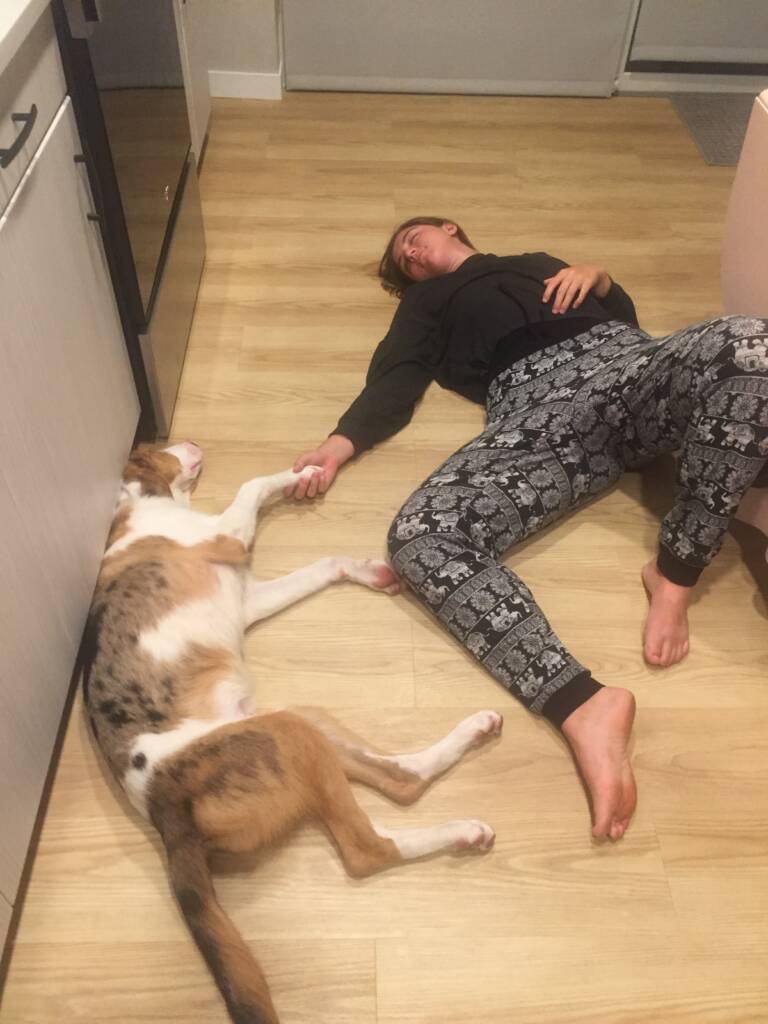
Sleep
Sleep is one of the most important things you can do for recovery. Your body uses sleep to support numerous physiological processes, including tissue repair and adaptation to exercise. If you’re consistently sleeping poorly, adding another recovery tool probably isn’t going to solve the problem.
Nutrition
Your body needs adequate energy and nutrients to recover from training. Eating enough overall, getting adequate protein, and consuming carbohydrates to support your activity can all contribute to recovery. Recovery isn’t the time to fear food. If you’re asking your body to run, lift, climb, hike, or perform, you also need to give it the fuel to do those things.
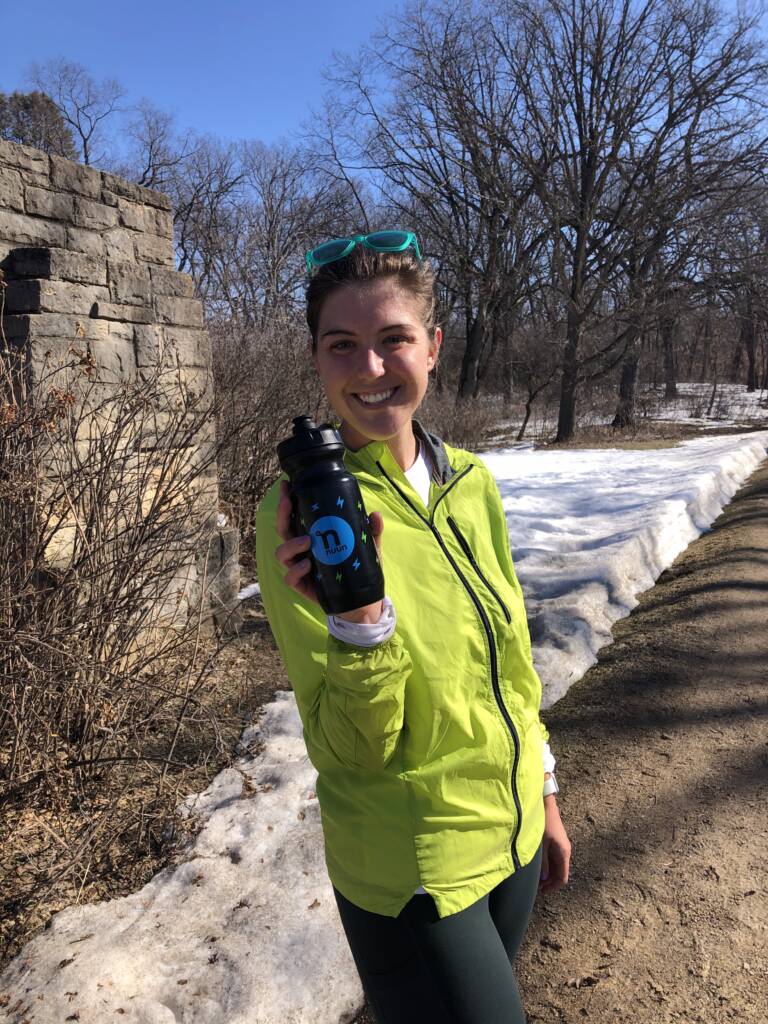
Hydration
Hydration is another simple but important piece of the puzzle.
Fluid needs vary depending on factors such as exercise duration, temperature, sweat rate, and individual physiology. If you’ve spent several hours sweating on a trail or completing a long run, replacing fluids becomes particularly important.
Recovery Doesn’t Have to Be Complicated
The most important thing to remember is to always listen to your body and what it is telling you. If something hurts in a way that feels different from normal post-training soreness, aggressively rolling or pounding the area with a massage gun isn’t necessarily the answer.
Maybe your body needs a relaxing walk and some mobility work. Maybe your legs need a few days off from training. And sometimes, your body really does need the couch, your favorite show, and absolutely nothing else. If you are still having pain even despite recovery techniques, or if the pain is worsening, talk to a Summit Trainer or health care professional. Your body may be needing additional evaluation from a trained professional.
Final words of wisdom, training doesn’t end when you finish your workout. Recovery is part of the training process, too.