

I had a milestone birthday this year; I turned 30. Now, I know that nothing *really* happens by turning 30. But entering a new decade has given me a shift in perspective. I started weight training and running when I was 23. And while I know that 30 is not actually old, I am starting to realize that I am not 23 anymore. When I first started weight training and exercising seven years ago, I didn’t have any expectations. I started running because I realized it improved my mental health, and I started weight training because it improved my running. In hindsight, I didn’t understand the true importance of strength training in women when I made the decision to start.
At the time, I wasn’t thinking about my future health, hormonal changes, or what my body might need 10, 20, or 30 years down the road. I was simply trying to feel better and become a better runner.
Now that I’m older, I’m grateful I “stumbled” upon exercise when I did. With age and knowledge, I have started to understand the true importance of strength training for women. It goes far beyond building muscle, improving athletic performance, or changing how we look. Strength training is an investment in our future health, independence, and quality of life.
Women’s Hormones and How They Change With Age
As women, our bodies experience hormonal changes throughout our lives. These changes influence our muscles, bones, metabolism, recovery, and overall health. While we cannot control every aspect of aging, we can take steps to support our bodies through the process. And one of the most effective tools we have is strength training.
For women, estrogen is one of the most important hormones to understand when discussing long-term health and exercise. Estrogen has several functions beyond reproduction. It contributes to maintaining bone density, influences muscle function, and plays a role in the body’s response to exercise and recovery.
Throughout our reproductive years, estrogen levels naturally fluctuate during the menstrual cycle. These fluctuations are normal, although individual experiences vary. Some women notice changes in energy, strength, recovery, or exercise tolerance at different points in their cycles, while others notice very little difference.
As women age and approach perimenopause and eventually menopause, estrogen levels become more variable and ultimately decline.
Hormones and Muscle Mass Connection
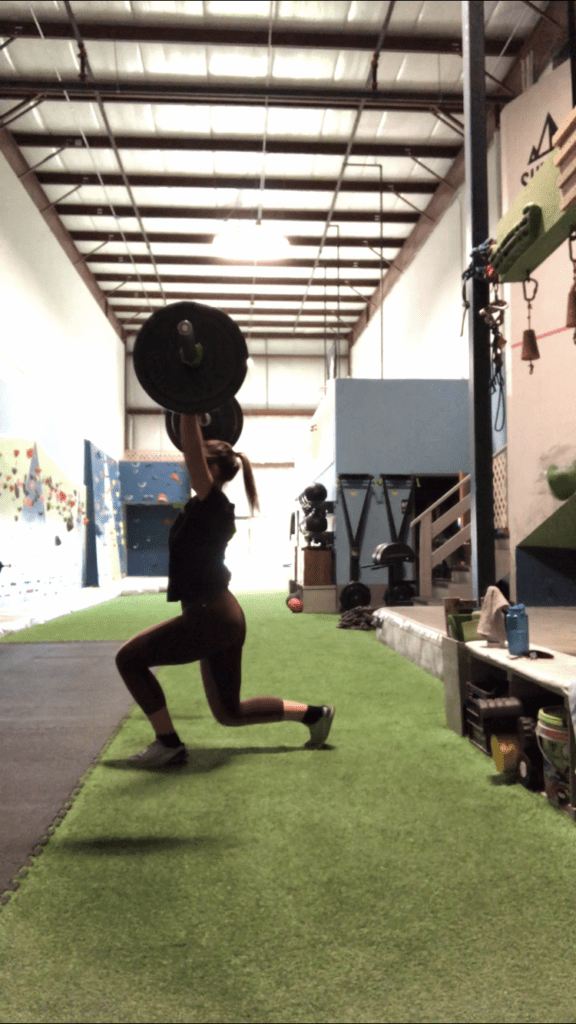
Declining estrogen levels contribute to accelerated muscle and bone loss. Muscle mass is an important component of our overall health and physical function. As we age we naturally tend to lose muscle mass and strength if we do not actively work to maintain them. The effects of this process, often called age-related muscle loss or sarcopenia, can begin earlier than many people realize, unfortunately even starting as young as 30.
This is not to scare women. We’re not completely doomed. I’m saying this so young women are informed and can start doing preventative measures to keep their bodies strong and capable.
So, what can we do about it? We can build and maintain the physical foundation that helps our bodies remain strong and capable throughout these changes. Strength training is one of the most valuable ways women can support their muscles, bones, and long-term physical health.
The Importance of Maintaining Muscle Mass
As we always say at Summit, we train for everyday life. Muscle helps us perform everyday activities, maintain balance, stabilize our joints, and respond to the physical demands of life. It allows us to carry groceries, lift our children, move furniture, climb stairs, hike mountains, and get up from the floor with confidence.
Strength Training in Women and Prevention of Osteoporosis
Osteoporosis is sometimes thought of as a condition that only matters later in life. However, the habits we establish earlier can influence our bone health for decades.
Our bones are living tissue. They continuously remodel themselves in response to the demands placed on them. Weight-bearing activity and resistance training provide mechanical stress that can stimulate bone maintenance.
When you strength train, your muscles contract and tug and push on the bones they are attached to. This triggers the remodeling process to create and strengthen new bone. Not only that, strength training improves balance which can reduce risk of falls (another important consideration in preventing fractures as we age).
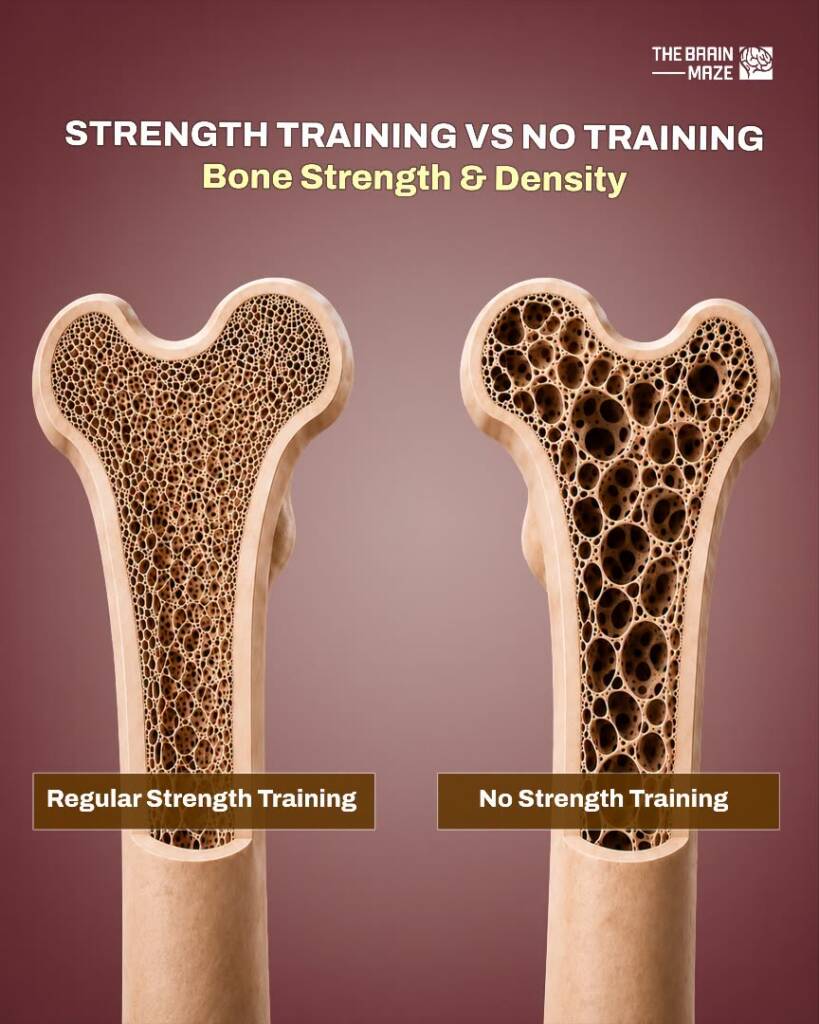
In the photo, you’ll notice the bone that does not strength train is weak and porous. The bone that strength trains is dense and strong. Strong bone means less risk of bone breakage which means more independence!
Strength Training Helps Women Prepare for Real Life Adventures
At Summit Strength & Fitness, we believe training should prepare us for the things we want to do outside the gym. Maybe that means running a half marathon, hiking a mountain, climbing outdoors, traveling, or simply having the energy to enjoy an active weekend. As we age, our goals and priorities may change. But maintaining strength can help us continue pursuing the activities that make our lives meaningful.
I want to be able to hike mountains, travel, run, and try new things as I get older. I want to feel physically capable of saying yes to an adventure without constantly questioning whether my body can handle it. Strength training is one way I can work toward that future.