

Most people approach training as if every week of the year should look the same. They pick a program, follow it for a few months, maybe change exercises when they get bored, and then repeat. But for outdoor athletes, that approach doesn’t always make sense. That is why I prefer the concept of training with the seasons.
Your goals change throughout the year. Your activities and available time changes. And most importantly, what you need from your body changes.
A climber preparing for a big trip doesn’t need the same training in January that they need two weeks before leaving for Yosemite. A mountain biker in the middle of their riding season shouldn’t be training the same way they do during the winter. And someone preparing for a major adventure, expedition, race, or climbing trip needs to build toward that event rather than simply trying to become “fitter” year-round. That’s why we like to divide the year into four distinct training blocks:
Training with the Seasons – These Four Training Blocks
Off Season → Pre Season → In Season → Post Season
This approach creates a simple framework for organizing training around the things that actually matter: performance, preparation, recovery, and longevity.
Why Train in Seasonal Blocks?
The biggest advantage of training with the seasons is that it gives your training a purpose.
Instead of asking “what workout should I do today?” You can ask “what does my body need to be able to do three months from now?”
That simple question changes everything.
Training becomes a process rather than a collection of workouts. You aren’t trying to maximize every quality at the same time. You’re developing certain qualities when they’re most useful, maintaining others, and allowing some to temporarily take a back seat. This also helps prevent one of the biggest problems we see with recreational athletes: trying to be at their absolute best at everything, all the time. You can’t constantly maximize strength, endurance, power, muscle mass, climbing performance, recovery, and sport-specific volume simultaneously. Something has to give.
Training with the seasons allows you to decide what matters most right now.
Training with the Seasons Block 1: Off Season
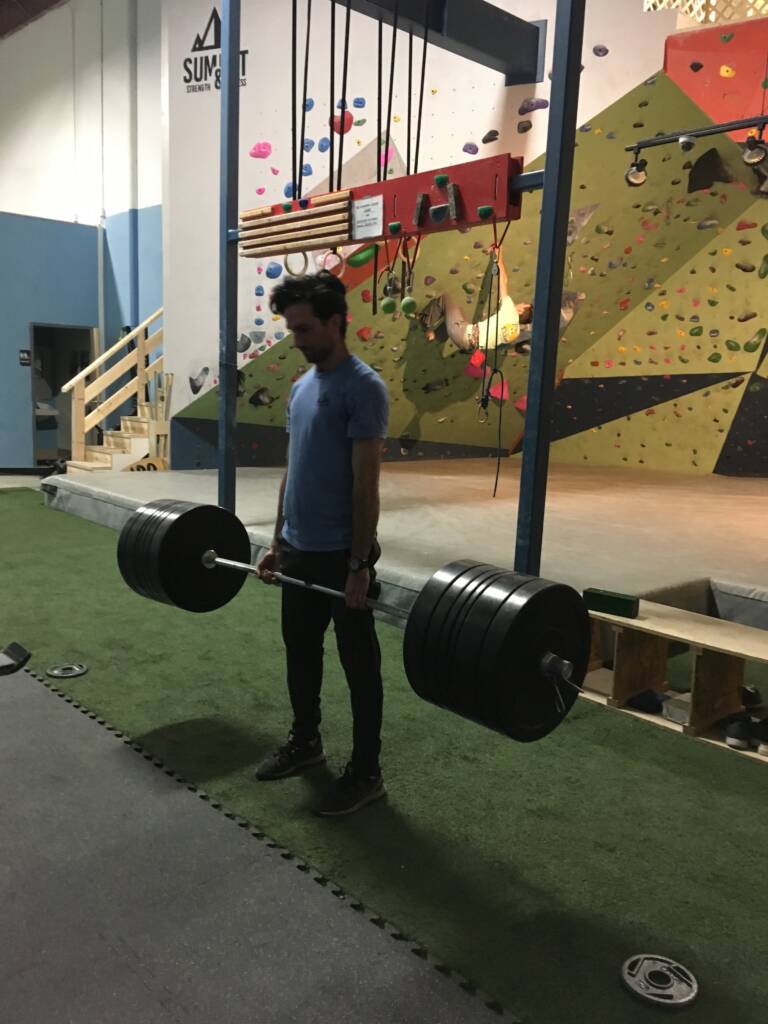
The off season is the athletes opportunity to build. You’re further away from your primary objective, which means you have more freedom to train hard, experiment, and address weaknesses.
This is often the best time to focus on:
- Maximum strength
- Building work capacity
- Movement quality
- Correcting weaknesses
- Building connective tissue tolerance
- Developing general athleticism
- Learning new movements
- Establishing training consistency
The goal isn’t necessarily to become the best version of yourself at your sport right now.
The goal is to build the physical qualities that will allow you to perform better later. Think of the off season as building your foundation.
For a climber, that might mean getting stronger overall rather than spending every session trying to improve climbing performance. For a mountain biker, it might mean building strength and aerobic capacity while riding volume is lower. Or for a skier, it could mean spending months developing lower-body strength, power, and durability before snow starts flying.
This is also the time to attack weaknesses. If you have a weak posterior chain, poor single-leg strength, limited pulling strength, or poor trunk stability, the off-season is when you can dedicate more attention to those areas.
You have time. Use it.
Training with the Seasons Block 2: Pre-Season
The pre season is when your training begins to shift. You are able to convert fitness into performance. The goal is to take the physical qualities you’ve built during the off season and turn them into something useful for your sport or objective.
You begin shifting from general preparation toward specific preparation. That might mean:
- More power development
- More sport-specific conditioning
- More unilateral work
- Increased movement specificity
- More high-intensity intervals
- Greater emphasis on energy systems used in your sport
- Gradually increasing sport-specific volume
- Practicing skills under fatigue
The question changes from: “how strong can I get?” to “how can I use the strength I’ve build?”
For example, a mountain biker may transition from heavy strength work toward more explosive movements, intervals, and riding. A climber might transition from general strength development toward more climbing-specific strength and power. Someone preparing for a multi-day backpacking trip might gradually increase pack carrying, hiking volume, and terrain specificity. You’re converting your general fitness into usable performance.
Training with the Seasons Block 3: In Season
Now you’re in your season. And this is where many athletes make a mistake: they continue trying to train as hard as they did during the off season. But your sport is now providing a large portion of your training stimulus. If you’re mountain biking four days a week, climbing multiple times per week, racing every weekend, or spending long days in the mountains, you don’t necessarily need more and more training. You need to support performance.
The priorities become: Perform. Recover. Maintain. Repeat.
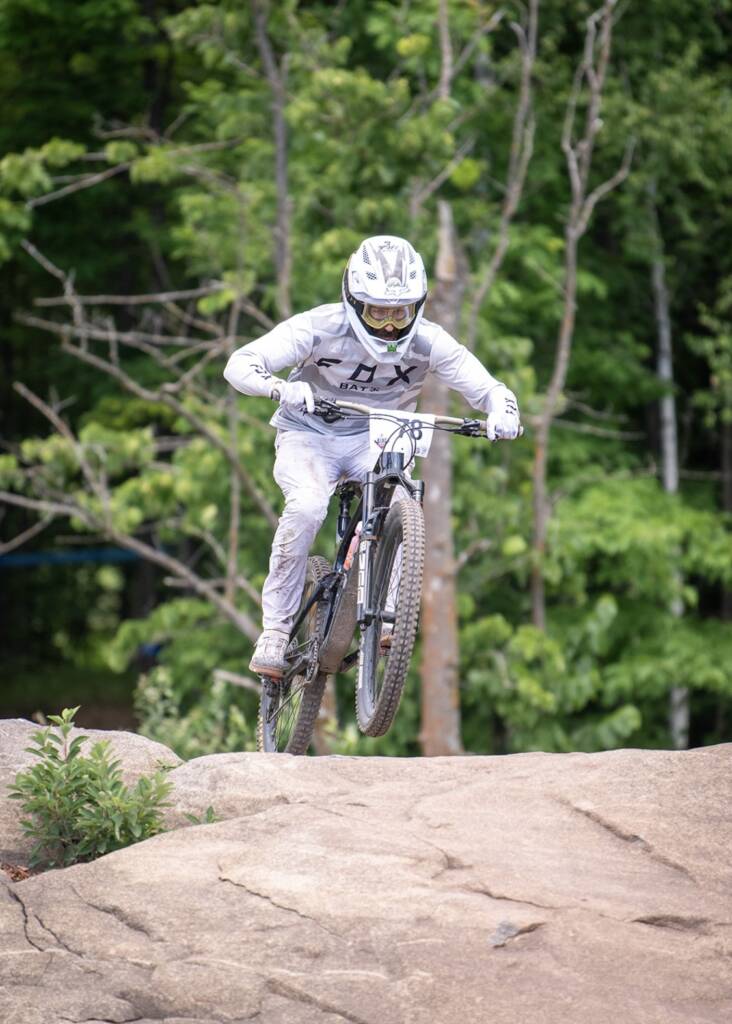
Strength training may decrease in volume while maintaining intensity. Conditioning may become more sport-specific. Recovery becomes more important. And training should complement your sport rather than compete with it. For example, a mountain biker might only need two strength sessions per week instead of four. A climber might reduce lower-body training volume during a major climbing trip. A trail runner may focus on maintaining strength while prioritizing running volume and recovery.
The goal isn’t to set new gym PRs every week. The goal is to be strong enough, durable enough, and recovered enough to perform when it matters.
Training with the Seasons Block 4: Post Season
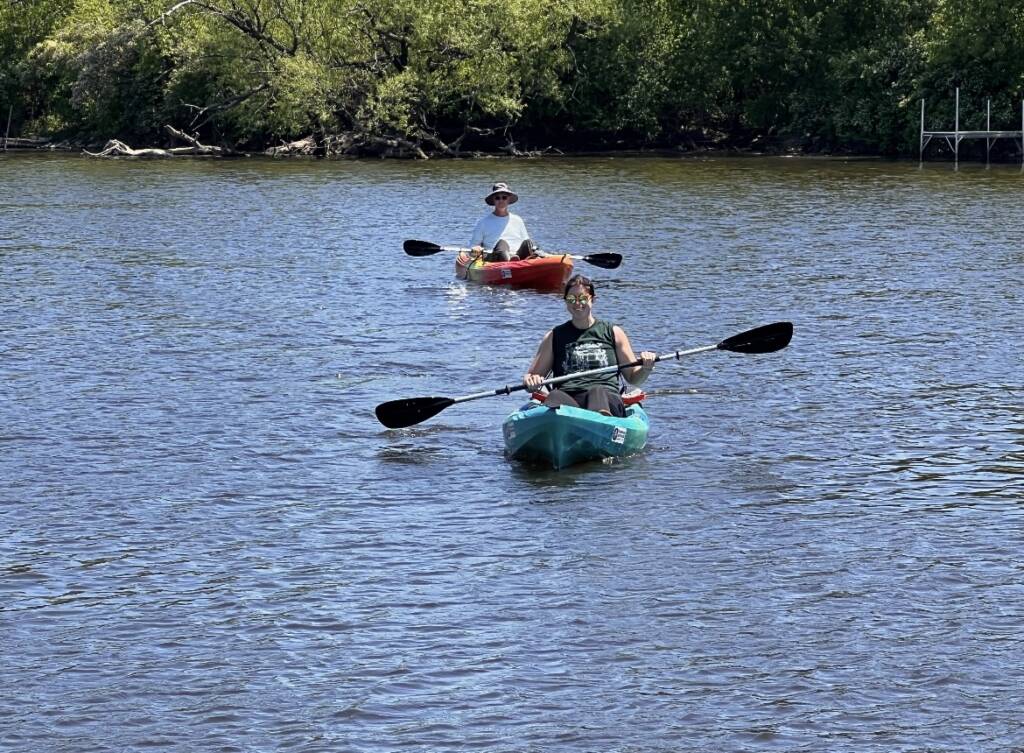
Eventually, the season ends. And that’s a good thing. You don’t need to immediately jump into another hard training block. The post season gives you an opportunity to recover physically and mentally. This might mean:
- Reducing training volume
- Taking time away from your primary sport
- Doing activities simply because they’re fun
- Addressing lingering aches
- Spending more time on mobility
- Moving without a performance objective
- Taking a vacation
- Reconnecting with other activities
Think of this period as a reset, not a period of doing nothing. You don’t have to completely stop training. But you should give yourself permission to train differently. If you’ve spent six months preparing for races, maybe you don’t need another structured running program immediately. Go hike. Climb something fun. Ride a different trail. Lift because you enjoy lifting. Play a sport. Then, when you’re ready, the cycle begins again.
Your “Season” Is Whatever You Care About
One of the biggest misconceptions about seasonal training is that you need to be a competitive athlete to use it. You don’t. Your season can be completely personal. Maybe you’re taking a trip to Colorado in August and want to spend two weeks climbing 14ers. That’s your season. Maybe you’re going to Yosemite for a climbing trip. That’s your season. Maybe you have a week-long mountain biking trip planned in British Columbia. That’s your season. Maybe you simply want to feel your strongest and most capable during the summer. That’s your season.
The question isn’t: “What sport do I compete in?” The better question is: “When do I want to perform?”
Once you answer that, you can work backward.
Start With the Objective and Work Backward
This is where seasonal training becomes particularly powerful. Let’s say you have a big climbing trip planned for September. Instead of randomly training from January through September, you can create a progression. For example:
January–March: Off Season
- Build general strength.
- Develop weaknesses.
- Increase work capacity.
- Build a physical foundation.
April–June: Pre Season
- Begin increasing climbing-specific training.
- Develop power and strength endurance.
- Increase climbing volume.
- Make training increasingly specific.
July–September: In Season
- Prioritize climbing performance.
- Maintain strength.
- Manage fatigue.
Train enough to support performance without interfering with climbing.
After the Trip: Post Season
Recover.
- Reduce training structure.
- Address anything that needs attention.
- Enjoy other activities.
Suddenly, your training has a purpose and direction.
Training with The Seasons Means You Don’t Have to Train Everything All the Time
This is perhaps the biggest benefit of this approach. You don’t need to chase every adaptation simultaneously. Instead, you can prioritize.
Off season = Build.
Pre season = Convert
In season = Perform
Post season = Recover
Then repeat. This allows you to push hard when pushing hard makes sense and back off when backing off makes sense. It also creates a natural rhythm to training. You aren’t constantly trying to beat yourself into the ground. You’re building toward something.
The Goal of Training with the Seasons Is to Be Ready When It Matters
Ultimately, training isn’t about having the best workout every day. It’s about being prepared for the moments that matter. Whether its the summit or the race. Maybe a climbing or hunting trip. The powder day, the mountain bike adventure or the expedition. It could be the week you’ve been looking forward to all year. Those experiences don’t care how much you can deadlift in the gym. They care whether your body is capable of doing what you want it to do when the opportunity arrives. Training with the seasons allows you to train with that goal in mind.
Build the athlete.
Prepare the athlete.
Perform with the athlete.
Recover the athlete.
Then do it all again.
The goal isn’t simply to become stronger. The goal is to build a body capable of doing more of the things you love, for as long as possible.